As UNIFIL’s mandate runs out, Washington is shaping what comes next in south Lebanon, while Israeli strikes and occupation continue.
The mandate ends. The pressure begins.
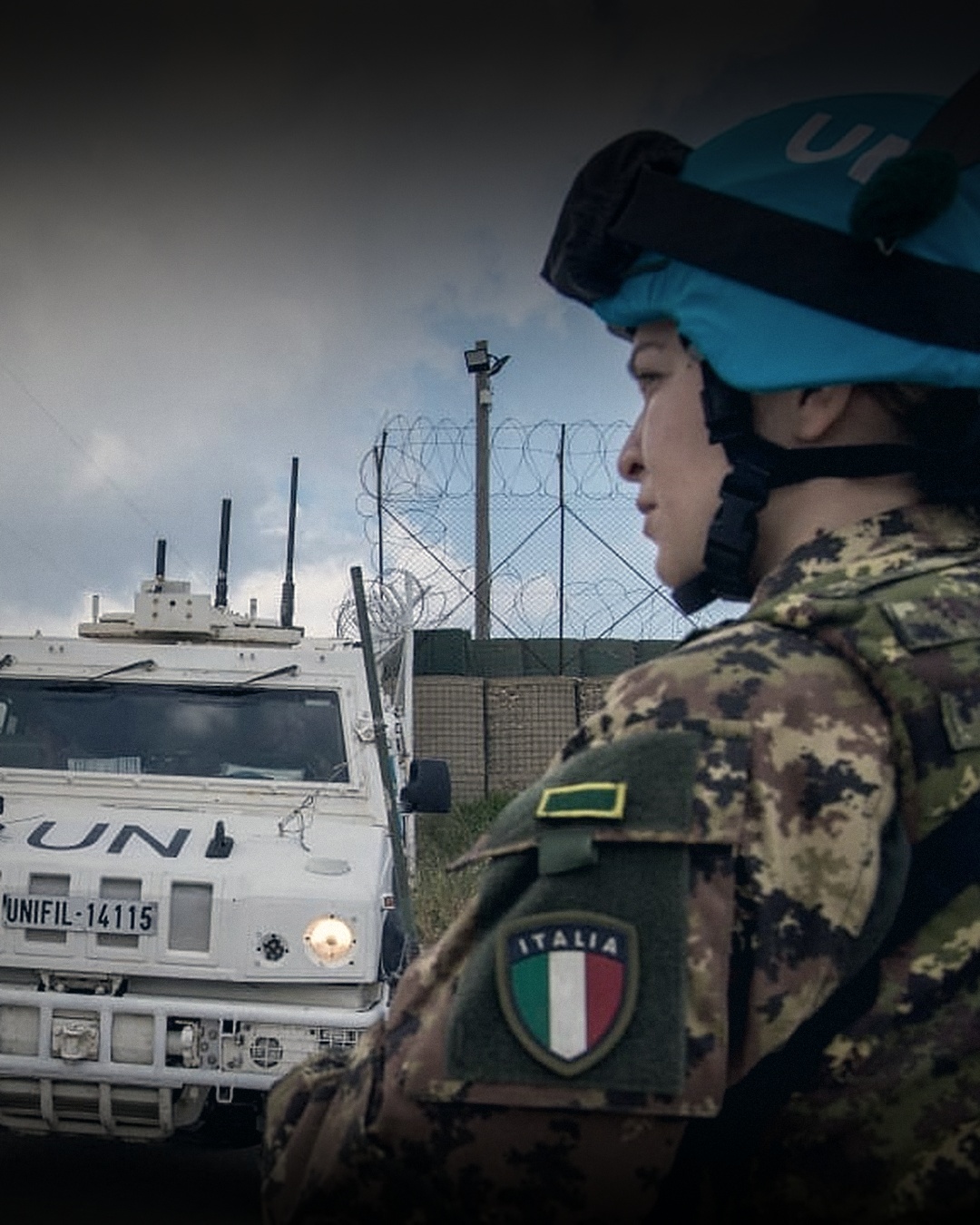
On December 31, UNIFIL’s mandate ends. After nearly 50 years in south Lebanon, the blue helmets will start packing up in 2027.
Lebanon asked them to stay. In July, 86 Lebanese lawmakers wrote to the UN Security Council asking for UNIFIL to remain with a stronger mandate. Washington said no. US Secretary of State Marco Rubio has said the US will not allow UNIFIL to continue.
This is not really a story about peacekeepers leaving. It is about who fills the space they leave behind, and on whose terms.
A deal written in Washington
On June 26, 2026, Israel and Lebanon signed a US-brokered framework agreement at the State Department. Washington called it a path to “lasting peace.”
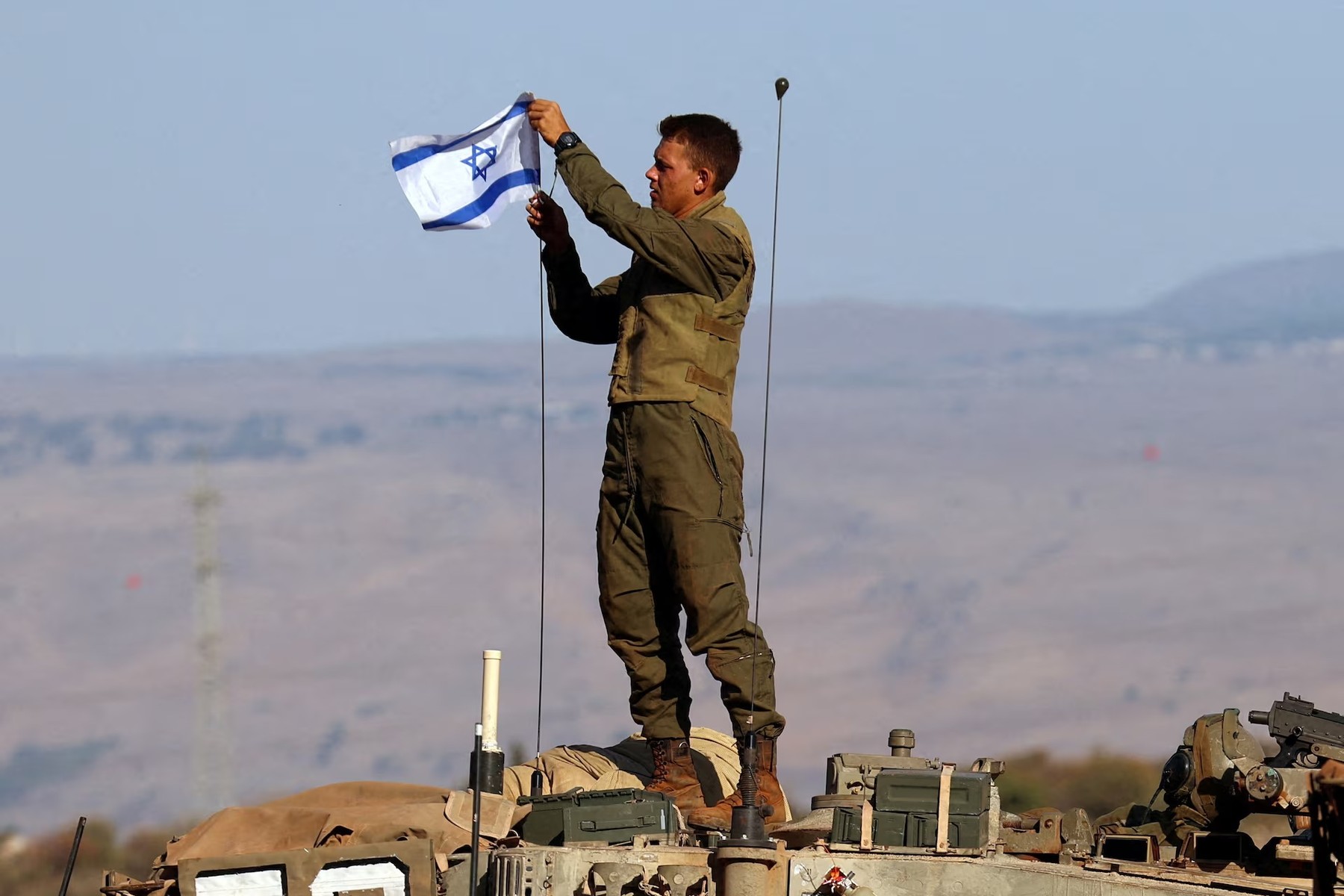
Read it closely and the order of things is clear. Lebanon must meet Israel’s conditions first. Only then does Israel return to its borders. Until that day, a senior Israeli official said, Israel keeps its “security zone” inside Lebanon.
In other words, the side occupying the land sets the conditions, and the side under occupation carries the burden of proof.
Washington’s replacement
With UNIFIL on its way out, the US wants its own small force in the south: up to 100 people, mostly American, according to a diplomatic source. Its job would be to implement the June agreement.
That is not peacekeeping. A force whose mission is to enforce one deal, written in Washington, is not a neutral presence. It is a referee chosen by one team.
Europe offered alternatives. France proposed several hundred European observers under a Security Council mandate. Israel rejected it, calling it “UNIFIL 2,” and said it relies only on its own army. The small American mission, however, Israel may accept.

Lebanon’s position is clear. Any new force must operate under a UN mandate. And Lebanon’s army has refused to coordinate directly with Israel’s army, reportedly because it would cost the army the trust of its own people.
The aggression never stopped
All of this is being negotiated while Israeli aggression continues. The ceasefire exists on paper. On the ground, strikes, shelling and demolitions are reported in the south almost every day.
On November 16 alone, Lebanese state media reported an Israeli air strike on Kfar Tebnit and shelling of Kfar Tebnit and Mayfadoun. Israeli forces still operate in a strip of Lebanese land around 10 kilometres deep along the border, and many border villages are off-limits to the people who lived there.
Lebanon says more than 4,300 people have been killed in the fighting. These are not numbers in a negotiation. They are the people the negotiation keeps stepping over.

Chaos as a strategy
This is how I read it. Remove the one international force that has watched the border since 1978. Keep troops on Lebanese land. Keep striking. Then offer Lebanon a way out, but only through a deal written in Washington.
A Lebanon kept in permanent crisis has less room to say no. Every strike, every demolished home, every family that cannot return adds pressure. And that pressure points in one direction.
Israel has been open about where it wants this to end. In April, its foreign minister, Gideon Saar, said Israel wants “peace and normalization” with Lebanon. Lebanon insists the talks are about security, nothing more. The latest round, at US Central Command in Florida, ended without a breakthrough.
Normalization under bombardment is not peace. It is surrender with a signature.
What Lebanon is owed
I do not believe there can be normalization with a state that is still killing people in Lebanon. Not after this war. Not while its army stands on Lebanese land.
What Lebanon needs is simpler, and harder. A real ceasefire that holds. A full Israeli withdrawal. Borders that every country respects. An international presence that answers to the UN, not to one side’s closest ally. And the right of families in the south to go home.
UNIFIL’s mandate ends in 42 days. The question isn’t only who replaces it. It’s whose rules the south will live under.
Sources
- UN Security Council Resolution 2790 and the UNIFIL timeline, L’Orient Today
- Lebanese lawmakers’ letter and Lebanon’s request to extend UNIFIL, Times of Israel
- The Trilateral Framework, June 26, 2026, US State Department
- Israel’s “security zone” condition, Axios
- US push for a 100-person force, Times of Israel
- France’s proposals, Israel’s opposition, Rubio on UNIFIL, Ynet
- Lebanon demands a UN-backed force, Arab News
- Lebanese army’s refusal of direct coordination (citing al-Sharq al-Awsat), ITIC
- Strikes on Kfar Tebnit and Mayfadoun, November 16, CFR Global Conflict Tracker
- Israeli forces in a 10 km strip, Naharnet
- Death toll and border villages, AFP via Times of Israel
- Saar: “peace and normalization”, Naharnet
- Talks are about security, not normalization, Jerusalem Post
- Tampa talks end without breakthrough, The New Arab