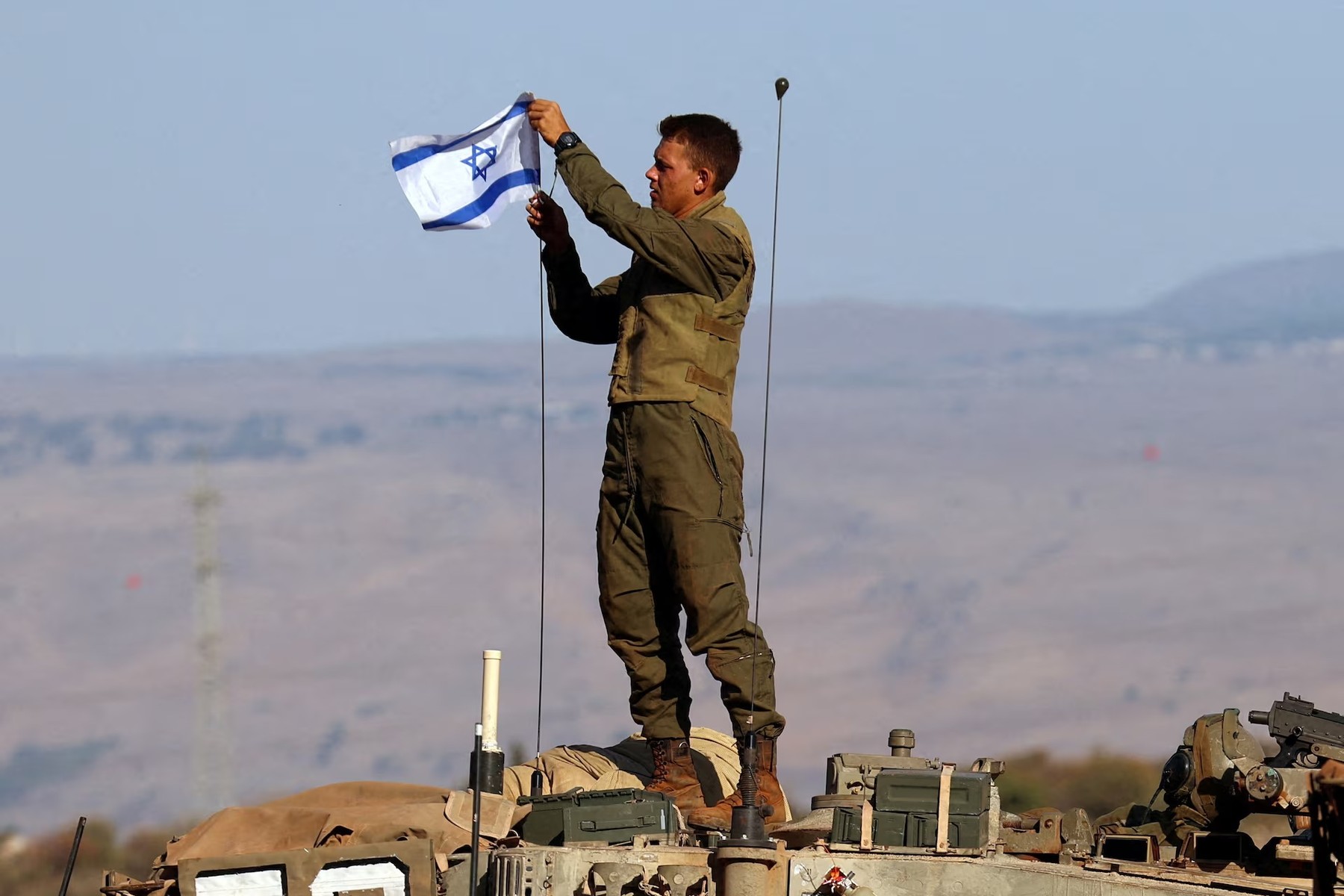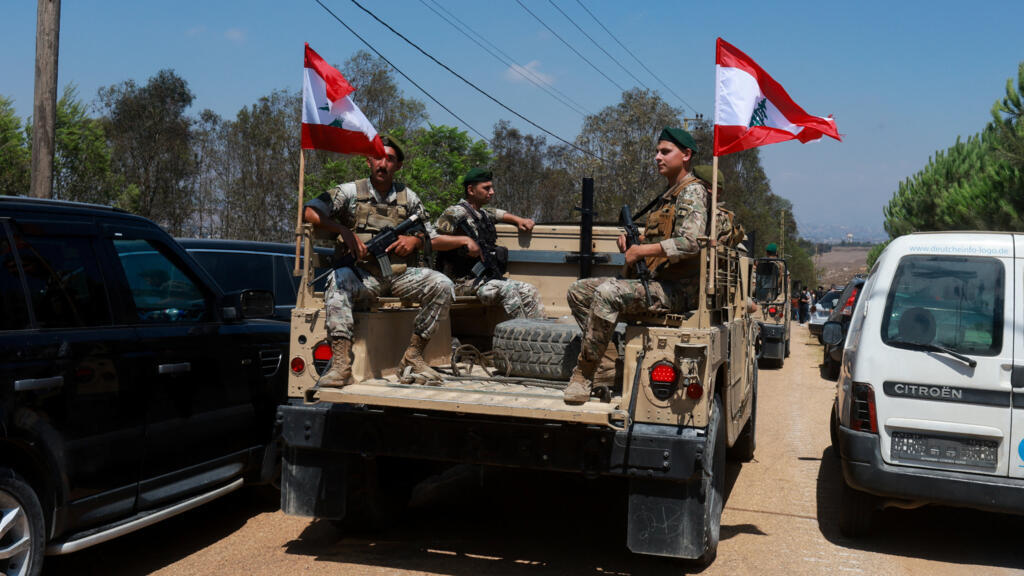
The army says continued attacks, demolitions and gunfire near its positions are preventing full deployment and delaying residents’ return.
The Lebanese Army has accused Israel of obstructing its deployment in southern Lebanon through continued attacks, the systematic destruction of homes and repeated violations of existing agreements and international law.
In a statement issued on Sunday, the Army said Israeli occupation forces were continuing to demolish and bulldoze homes, bombard southern areas and carry out sweeping fire with automatic weapons.
These are not minor incidents taking place on the margins of an agreement. According to the Army, they are directly preventing Lebanese troops from completing their deployment, restoring stability and allowing displaced residents to return to their villages and towns.
The Army also reported Israeli gunfire near Lebanese military positions in Kfar Tibnit, Nabatieh al-Fawqa and Zawtar al-Gharbiya. It said these attacks were obstructing the work of its units on the ground and interfering with the implementation of their missions.
The Lebanese Army has been deploying in areas vacated by Israeli forces as part of a framework agreement intended to restore Lebanese state authority across the South. Its responsibilities include securing towns, clearing unexploded ordnance and preparing the ground for civilians to return safely.
But the Army cannot complete that mission while Israel continues to bomb, destroy homes and open fire near its positions.
The situation in Zawtar al-Gharbiya shows the scale of the problem. Lebanese troops entered the town following an Israeli withdrawal, only to find widespread destruction and dangerous unexploded ordnance. The Army warned residents that the area remained unsafe and that they should not return before military units had finished securing it.
Meanwhile, nearby areas remain under Israeli occupation, leaving communities divided and preventing the restoration of normal life.
The Army’s statement was clear: continued Israeli attacks are not only delaying its deployment. They are also preventing families from returning home and undermining every attempt to restore stability in the South.
Israel has repeatedly presented the deployment process as a test of the Lebanese state’s ability to control its territory. Yet its own actions are obstructing the institution responsible for doing exactly that.
Lebanon cannot be asked to extend state authority while Israeli forces occupy Lebanese land.
The Army cannot be expected to secure villages while Israel continues to bombard and bulldoze them.
And civilians cannot return while their homes are being destroyed and their towns remain filled with unexploded ordnance.
One fact remains: stability in southern Lebanon cannot be achieved while Israel continues to violate Lebanese sovereignty and obstruct the deployment of the Lebanese Army.
The international community cannot continue demanding that Lebanon fulfil its obligations while treating Israel’s violations as secondary. Any agreement can survive only if all sides are held accountable. When Israeli attacks continue without consequence, the agreement becomes another mechanism through which pressure is placed on Lebanon while Israel is allowed to act freely.
The Lebanese Army continues to carry out its responsibilities under extremely difficult conditions. Its units are entering devastated towns, securing damaged areas and working to make the return of civilians possible.
But no army can complete its mission under bombardment and occupation.
If the international community is serious about restoring stability, it must pressure Israel to stop its attacks, withdraw completely from Lebanese territory and respect Lebanon’s sovereignty.
Israel has never stopped attacking Lebanon.
The agreements may change. The language used by diplomats may change. But civilians in southern Lebanon continue to face the same reality: destroyed homes, occupied land and repeated Israeli violations.
And once again, they are the ones paying the price.