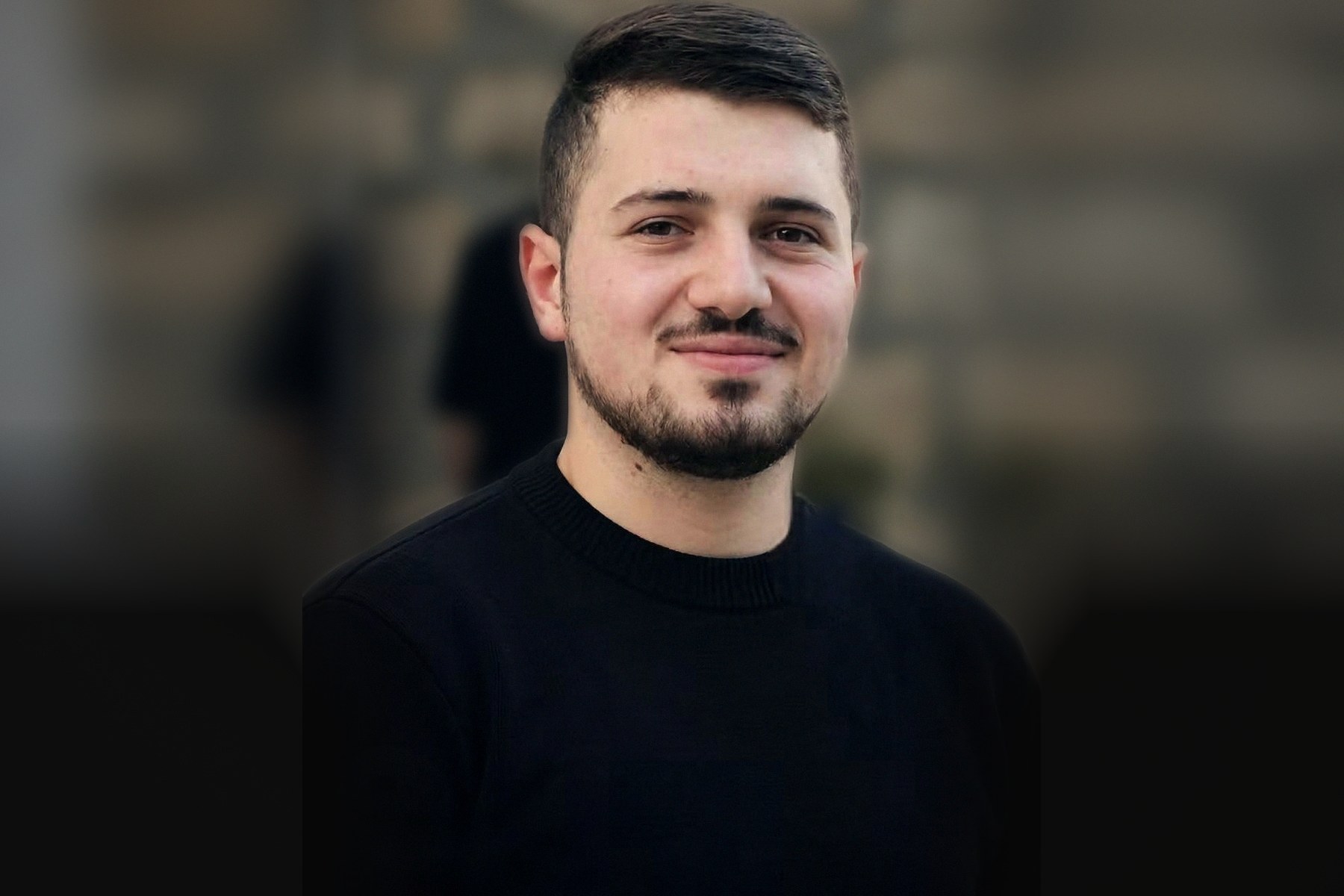
For two and a half months, the family of Mohammad Ali Hisham Nazr did not know where he was. This week, they were finally able to bring him home—and say goodbye.

Arab Salim, South Lebanon. Mohammad Ali Hisham Nazr was a young man from Arab Salim, a town in the Nabatieh district of southern Lebanon. According to messages shared by people close to him, he was killed by an Israeli drone strike near Ali al-Taher, on the hills outside Nabatieh, during the fighting there.
For his family, what followed was not only grief, but waiting. His body could not be reached. In his father’s words, he remained missing “for two and a half months.”
In mid-November, his body was finally recovered and returned to his family.
“The Soul Between My Ribs”
When the news came, his father wrote a farewell to his son. Among his words was a line that needs no translation of feeling:
“My son, the piece of my heart, the soul between my ribs.”
— His father
In Arabic, he called him fildhat kabidi—literally, a piece of his liver, an expression Lebanese parents use for a child they cannot imagine living without.
The Thief of Hearts
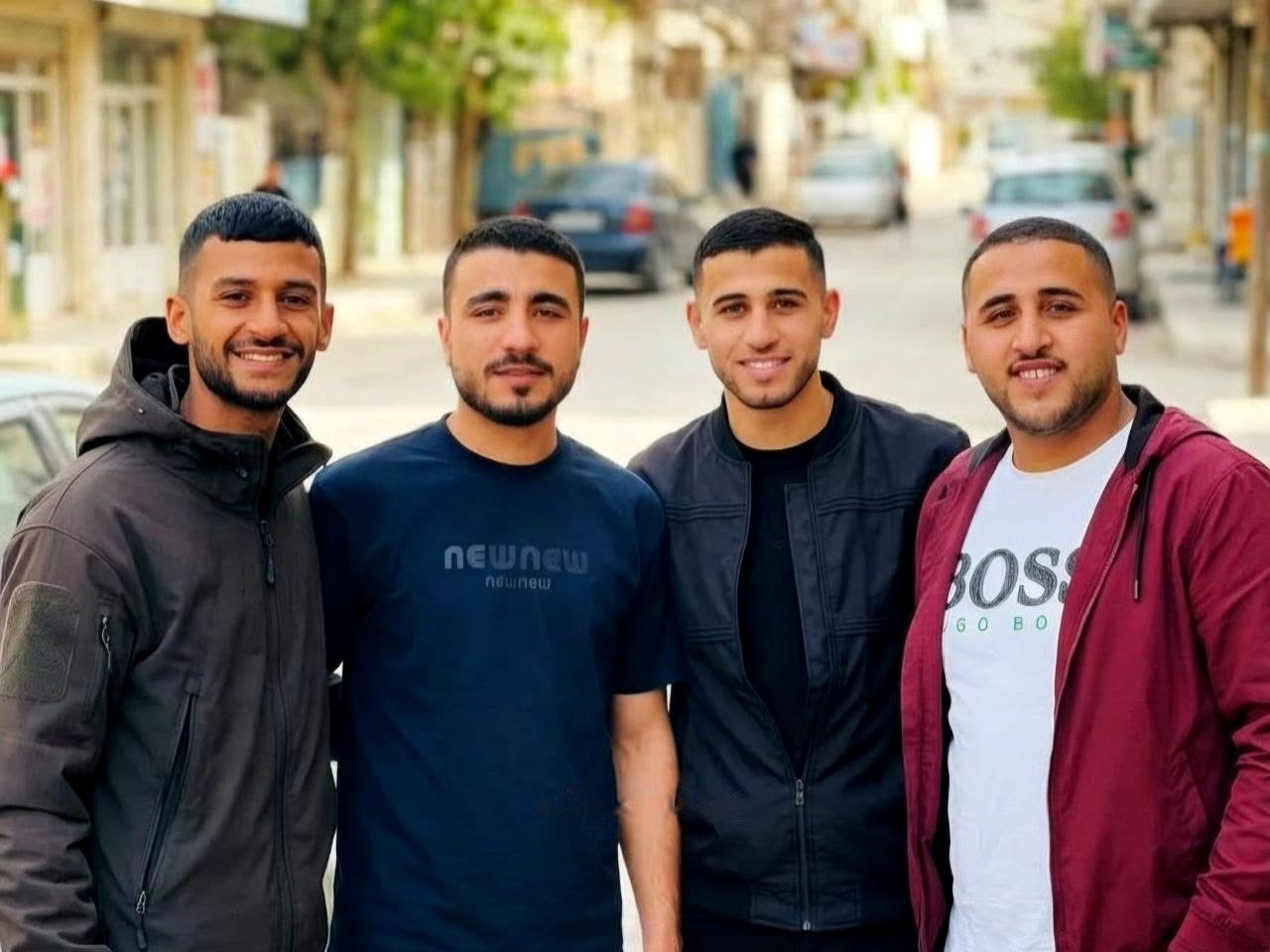
To his friends, Mohammad was known by another name: sarraq al-quloub—the thief of hearts.
One of them shared a long tribute after his death. It describes someone who became part of other people’s families without trying:
“You came into our family without asking permission, as if a place had been waiting for you from the start.”
— Words shared by one of his friends
The friend remembers “the kind heart, the beautiful eyes, and the pure soul”—and admits that the loss revealed how much Mohammad had meant:
“I had known you for a long time, but I only truly knew you once you were gone.”
He writes that they will miss him everywhere—at every gathering where he used to bring joy, in every small detail where his presence had become a habit. The tribute ends simply: “It is enough, my brother, to say: until we meet again.”
A Wait Shared by Many Families
Mohammad’s family is not alone in this kind of waiting. Since March 2, Israeli attacks have killed 4,390 people in Lebanon and injured 12,429, according to Lebanon’s Health Ministry figures for the period up to November 5, as reported by Shafaq News. More than a million people have been displaced.
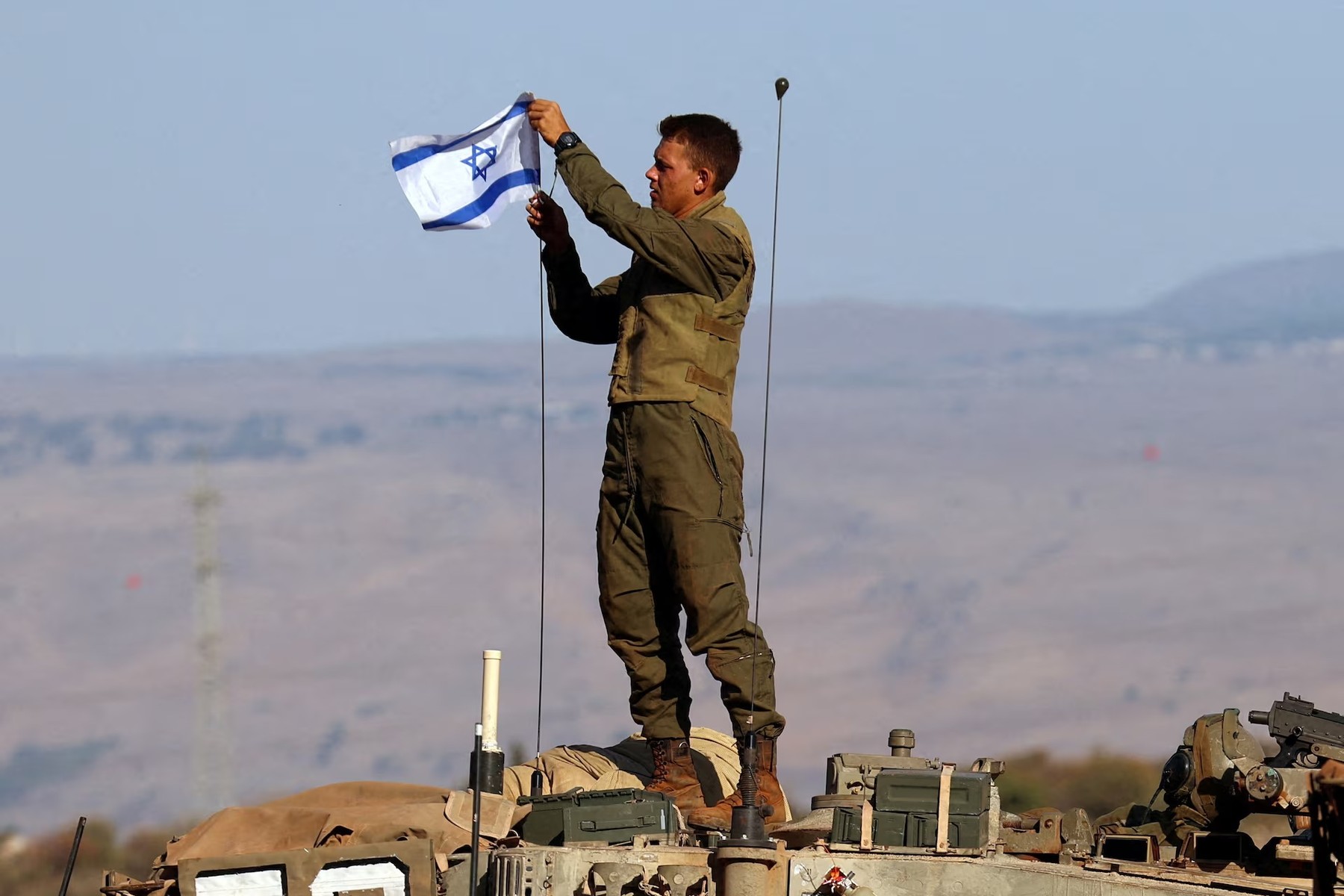
Despite a framework agreement signed in June aimed at a phased Israeli withdrawal, Israel continues to occupy a zone up to 10 kilometres deep in southern Lebanon, where homes behind the so-called “Yellow Line” are still being demolished, Al Jazeera reported in October. In areas like these, reaching the dead can take weeks or months—leaving families suspended between hope and grief.
Remember His Name
Behind every figure in Lebanon’s casualty count is a family that waited for news, a father who had to find words for a farewell, and friends who are only now learning the size of the space someone left behind.
His family waited two and a half months to say goodbye.
Mohammad Ali Hisham Nazr. Remember his name.
Sources and notes: Details of his death and recovery are based on public posts by his family and people close to him; they have not been independently verified. Quotes are translated from Arabic by Alex Jørgensen. Casualty figures: Lebanon’s Ministry of Public Health, March 2–November 5, 2026, via Shafaq News (November 11, 2026). Occupation zone: Al Jazeera, “How Israel’s ‘Yellow Line’ is reshaping southern Lebanon” (October 14, 2026). Photos: his family.